
Sustainable fashion is no longer just a trend; it is a movement that defines the future of style and lifestyle.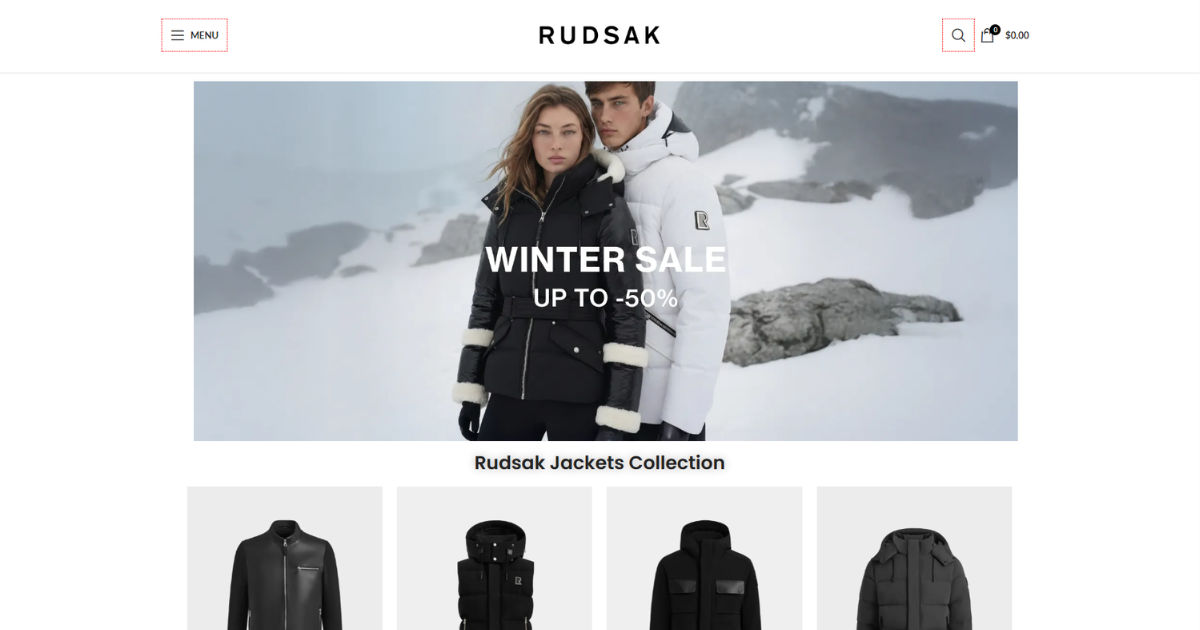
More brands, including big names like Rudsak Canada, are embracing eco-friendly production methods, creating clothing that is both fashionable and responsible.
People today are more aware of their environmental footprint, and sustainable living is becoming a lifestyle choice rather than an option.
This comprehensive guide explores why sustainable fashion and lifestyle wins, its impact on the environment, economy, society, and why consumers are increasingly choosing eco-conscious brands.
What Is Sustainable Fashion?
Sustainable fashion refers to clothing, footwear, and accessories produced in ways that are environmentally friendly, socially responsible, and economically fair. Unlike traditional fashion, which often relies on mass production and harmful materials, sustainable fashion focuses on reducing waste, using eco-friendly fabrics, and ensuring ethical labor practices. Brands like Rudsak Canada are investing in durable materials, recycling initiatives, and transparent supply chains to meet consumer demand for sustainability.
The Environmental Impact of Fashion
The fashion industry is one of the most polluting industries in the world. Fast fashion, with its rapid production cycles, contributes significantly to carbon emissions, water waste, and chemical pollution. For instance, producing a single cotton shirt can require over 2,700 liters of water. In contrast, sustainable fashion prioritizes materials like organic cotton, recycled polyester, and plant-based fabrics that reduce environmental damage.
Sustainable brands also implement responsible dyeing processes and aim for zero-waste production. Rudsak Canada and similar companies showcase that fashion can be stylish without compromising the planet. Choosing sustainable clothing reduces pollution, conserves resources, and supports biodiversity.
Why Ethical Labor Practices Matter
Sustainability in fashion isn’t just about the environment—it’s also about people. Many conventional clothing brands outsource production to factories in developing countries where workers face poor working conditions, low wages, and long hours. Ethical fashion brands, including Rudsak Canada, prioritize fair labor practices, providing safe working conditions and fair compensation.
By supporting brands committed to ethical labor, consumers help reduce exploitation and improve livelihoods. Sustainable fashion fosters a culture of accountability, ensuring that every piece of clothing tells a story of respect and responsibility.
Durability and Long-Term Value
Fast fashion encourages frequent purchases with cheap, low-quality materials that wear out quickly. Sustainable fashion, on the other hand, emphasizes durability. Investing in high-quality pieces from brands like Rudsak Canada means fewer replacements and a reduced carbon footprint over time.
Long-lasting clothing also encourages mindful consumption. Consumers learn to value quality over quantity, resulting in less waste in landfills and less strain on natural resources. Sustainability, in this sense, is not just eco-friendly; it is economically wise for consumers as well.
The Role of Eco-Friendly Materials
Sustainable fashion relies on innovative materials that minimize environmental harm. Organic cotton, bamboo, hemp, Tencel, and recycled fabrics are some examples. These materials require less water, avoid harmful chemicals, and decompose more easily than conventional textiles.
Rudsak Canada uses eco-conscious fabrics in several of its collections, demonstrating that sustainability can align with modern fashion trends. Adopting eco-friendly materials reduces pollution, protects ecosystems, and encourages a shift away from fast fashion practices.
Reducing Waste Through Circular Fashion
One of the biggest challenges of the fashion industry is waste. Millions of tons of clothing end up in landfills every year. Circular fashion is a solution that focuses on recycling, upcycling, and reusing materials. Brands committed to circular fashion design clothes that can be repaired, reused, or recycled, reducing overall waste.
Many sustainable brands offer take-back programs or repair services to extend the life of their products. Consumers choosing Rudsak Canada and similar brands support these initiatives, contributing to a more sustainable economy where resources are preserved instead of discarded.
Sustainable Lifestyle Beyond Clothing
Sustainable fashion is only one aspect of a larger sustainable lifestyle. A sustainable lifestyle involves conscious choices in food, transportation, energy use, and consumption habits. People who embrace sustainability often choose locally sourced food, renewable energy, minimal packaging, and low-impact transportation.
By combining sustainable fashion with eco-friendly daily practices, individuals can significantly reduce their environmental footprint. This holistic approach reinforces the idea that sustainability is not a niche concern but a comprehensive way of living.
How Consumer Awareness Drives Change
Consumers have immense power to shape industry practices. As more people demand sustainable products, brands respond by adopting greener practices. This shift is evident in companies like Rudsak Canada, which highlight transparency in sourcing, environmentally friendly manufacturing, and ethical labor.
Social media, documentaries, and educational campaigns have increased awareness about the negative impacts of fast fashion. Educated consumers are more likely to choose brands that reflect their values, creating a cycle where sustainability becomes the norm rather than the exception.
The Economic Benefits of Sustainable Fashion
Many people assume that sustainable fashion is expensive and exclusive, but it can be economically beneficial in the long run. Durable clothing reduces the need for frequent replacements, saving money over time. Additionally, the rise of sustainable fashion has created new jobs in eco-friendly manufacturing, recycling, and design.
Supporting brands like Rudsak Canada encourages innovation in green technologies and ethical production, which strengthens the economy while benefiting society and the environment. Sustainable fashion proves that responsible choices can be economically viable and profitable.
Fashion Trends and Sustainability
Sustainable fashion does not compromise on style. Modern sustainable brands offer trendy, high-quality designs that appeal to a wide audience. Designers integrate eco-friendly fabrics, ethical manufacturing, and timeless designs to create pieces that are both stylish and conscious.
Rudsak Canada is a prime example of this balance, blending luxury, durability, and sustainability. By demonstrating that sustainable fashion can be fashionable, the industry dispels myths that eco-conscious clothing is boring or unattractive.
Overcoming Challenges in Sustainable Fashion
Despite its benefits, sustainable fashion faces challenges. Higher production costs, limited availability of eco-friendly materials, and consumer misconceptions can slow adoption. However, as technology improves and demand increases, these obstacles are gradually being overcome.
Consumer education, innovative materials, and brand transparency are essential to expanding sustainable fashion. When more people understand the value of investing in ethical, eco-friendly clothing, brands are incentivized to adopt greener practices.
How to Start a Sustainable Wardrobe
Starting a sustainable wardrobe does not require a complete overhaul. Begin by choosing high-quality, durable pieces from trusted brands like Rudsak Canada. Prioritize natural, organic, or recycled materials, and consider second-hand or vintage clothing to extend the life of existing garments.
Plan purchases thoughtfully, avoid impulse buys, and maintain clothing properly to reduce wear and tear. Over time, a sustainable wardrobe becomes a reflection of conscious living, style, and responsibility.
Lifestyle Choices That Complement Sustainability
Beyond fashion, sustainable living extends to home, travel, and daily habits. Reducing energy consumption, choosing renewable sources, minimizing single-use plastics, and supporting local businesses all contribute to a sustainable lifestyle.
Adopting these practices alongside sustainable fashion creates a holistic approach that benefits the environment, society, and personal well-being. Consumers who embrace these choices become role models for their communities, encouraging others to act responsibly.
The Future of Sustainable Fashion
The future of fashion is undoubtedly green. Increasing consumer awareness, technological advancements, and regulatory pressures are driving brands toward sustainability. Rudsak Canada and other forward-thinking companies lead the way by integrating environmental responsibility into their core business model.
As innovation continues, we can expect new fabrics, recycling technologies, and sustainable business practices that make eco-friendly fashion accessible and affordable for everyone. Sustainable fashion is not just a trend; it is a long-term solution that benefits people and the planet.
Why Sustainable Fashion Wins
Sustainable fashion wins because it balances style, ethics, and environmental responsibility. It empowers consumers to make informed choices, reduces ecological damage, and supports fair labor practices. Brands like Rudsak Canada show that sustainability can coexist with luxury, quality, and modern trends.
By embracing sustainable fashion and lifestyle, individuals take an active role in shaping a more responsible, conscious, and beautiful world. This approach is not just good for the planet; it is a reflection of thoughtful living and long-term thinking.
Conclusion
Sustainable fashion and lifestyle are more than choices—they are commitments to the planet, society, and future generations. From eco-friendly materials and ethical labor to conscious consumption and holistic living, sustainability covers every aspect of modern life.
Brands like Rudsak Canada exemplify how fashion can be responsible without compromising quality or style. Consumers who prioritize sustainability influence industry practices, encourage innovation, and reduce their environmental footprint. Adopting sustainable fashion and lifestyle habits is a win-win scenario: good for the planet, good for society, and good for personal well-being.
Every purchase, every decision, and every lifestyle change contributes to a more sustainable world. The movement is growing, and its impact is undeniable. The message is clear: sustainable fashion and lifestyle are not just options—they are the future.