
Pakistani bridal dresses are more than just clothing. They are a reflection of the country’s rich cultural heritage, traditions, and artistic craftsmanship. Each dress tells a story about the region it comes from, the rituals it celebrates, and the family values it represents. From the vibrant colors to the intricate embroidery, Pakistani bridal dresses are a mirror of culture, history, and identity.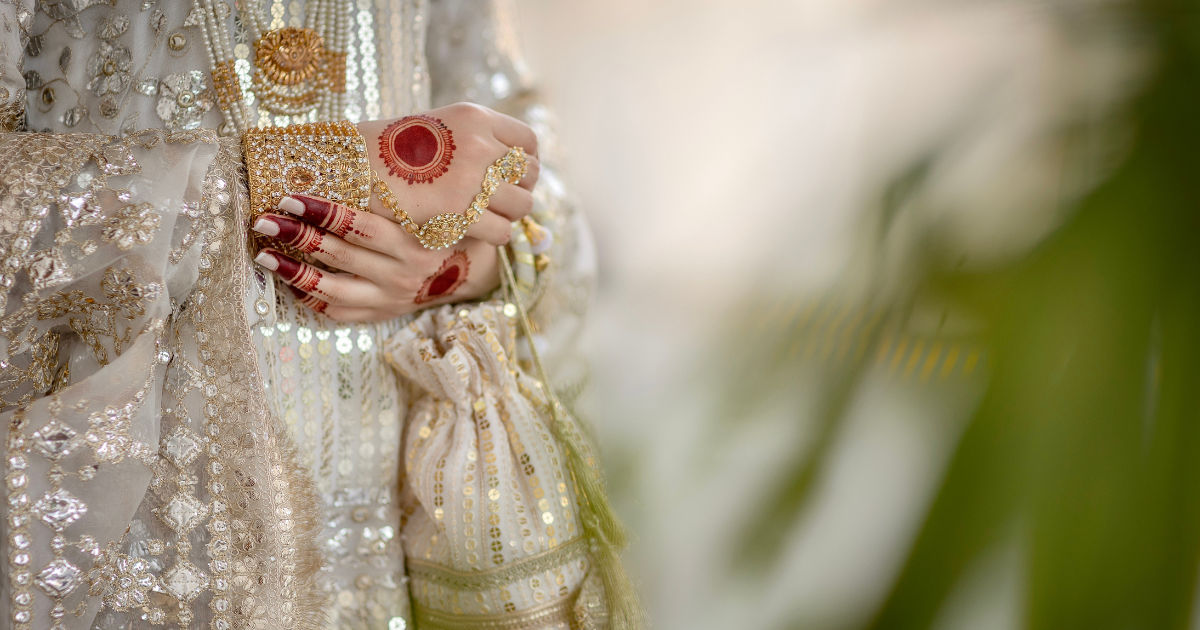
Weddings in Pakistan are a blend of tradition and celebration, and the bridal attire plays a central role. Unlike everyday fashion, bridal dresses are designed to be symbolic.
They often incorporate cultural motifs, regional patterns, and traditional techniques passed down through generations. When a bride wears a Pakistani bridal dresses, she is not just dressing for beauty; she is embracing her heritage and honoring her roots.
The Historical Significance of Pakistani Bridal Dresses
The history of Pakistani bridal dresses is deeply intertwined with the country’s history. Over centuries, different regions of Pakistan developed their own distinct bridal styles. These styles were influenced by local culture, climate, social norms, and historical events. For instance, the Mughal era introduced elaborate embroidery and luxurious fabrics, which continue to influence modern Pakistani bridal dresses.
Brides traditionally wore outfits that symbolized wealth, status, and family honor. Fabrics like silk, chiffon, and velvet were preferred, and hand-stitched embroidery techniques such as zardozi, gota, and dabka added a royal touch. Today, these historical influences are still visible, making Pakistani bridal dresses a living record of cultural evolution.
Colors and Their Cultural Meaning
Colors in Pakistani bridal dresses carry strong cultural significance. Red is the most traditional color, symbolizing love, prosperity, and marital bliss. However, modern brides are experimenting with shades like gold, green, and pastel hues while still maintaining cultural respect. Each color chosen for a bridal dress is a reflection of family traditions, regional identity, and personal preferences.
In addition, regional influences affect color choices. Brides from Punjab often prefer bright reds and pinks, while Sindhi brides may favor deeper, earthy tones. The careful selection of colors in Pakistani bridal dresses shows how culture and tradition remain central to modern wedding attire.
Regional Styles of Pakistani Bridal Dresses
Pakistan is home to a variety of regions, each with unique cultural practices. These regional differences are vividly reflected in bridal dresses.
Punjab
Punjabi bridal dresses are known for their bold colors and heavy embroidery. The traditional lehenga or gharara is often adorned with intricate patterns and mirror work. Punjabi brides favor vibrant reds and pinks, symbolizing joy and celebration. The embroidery techniques used are often passed down through generations, showcasing cultural continuity.
Sindh
Sindhi bridal dresses are famous for their mirror work, detailed thread embroidery, and geometric patterns. The traditional Sindhi wedding attire often includes a long shirt with a flared lehenga or sharara, complemented by a colorful dupatta. These dresses reflect the vibrant folk culture of the region.
Balochistan
Balochi bridal dresses are unique for their handcrafted embroidery and bold geometric motifs. Balochi brides wear long flowing dresses with heavily embroidered sleeves and hems. The designs often tell stories of the community, connecting modern brides to their ancestral roots.
Khyber Pakhtunkhwa
Bridal dresses from Khyber Pakhtunkhwa are influenced by Pashtun culture. These dresses are modest yet elegant, featuring bright colors, detailed embroidery, and sometimes delicate beadwork. The focus is on modesty while celebrating cultural richness.
Gilgit-Baltistan
In the northern regions, bridal dresses are influenced by the natural landscape and local traditions. Brides often wear layered fabrics in lighter colors suitable for the cooler climate. Embroidery and embellishments reflect local folklore and artistic traditions.
Embroidery and Craftsmanship
One of the most striking aspects of Pakistani bridal dresses is the embroidery. Techniques like zardozi, gota, aari, and chikankari are not just decorative; they carry cultural significance. Each stitch represents dedication, patience, and artistry. The embroidery patterns often include floral motifs, paisleys, or symbolic elements inspired by nature and history.
Zardozi work, for example, was introduced during the Mughal era and involves gold or silver thread to create luxurious patterns. Gota work, another traditional technique, uses metallic ribbons stitched onto fabric to create intricate designs. These techniques are unique to Pakistani bridal dresses and are a testament to the country’s craftsmanship heritage.
Fabric Choices and Their Cultural Roots
The fabrics used in Pakistani bridal dresses are chosen not only for their beauty but also for cultural symbolism. Silk, velvet, chiffon, and georgette are commonly used. Silk symbolizes luxury and elegance, while velvet gives a regal and traditional touch. Chiffon and georgette add softness and flow, making the dress graceful.
In addition, the choice of fabric often reflects the region’s climate and lifestyle. For instance, lighter fabrics are preferred in warmer areas, while heavier fabrics are used in colder northern regions. This practical approach to fabric selection demonstrates the blend of culture, environment, and fashion in Pakistani bridal dresses.
Modern Trends in Pakistani Bridal Dresses
While tradition remains central, modern Pakistani bridal dresses have evolved to include contemporary styles. Designers are experimenting with fusion wear, pastel colors, and lighter embellishments. Even in modern designs, cultural motifs and traditional embroidery are retained, ensuring that the essence of heritage is preserved.
Celebrities and fashion shows in Pakistan have also played a role in popularizing contemporary bridal trends. Yet, despite global influences, the core elements of culture—color symbolism, embroidery techniques, and regional identity—continue to dominate Pakistani bridal dresses.
Jewelry and Accessories: A Cultural Extension
Pakistani bridal dresses are incomplete without traditional jewelry and accessories. Jewelry pieces like jhumkas, maang tikka, bangles, and necklaces are not just ornamental; they carry cultural and familial significance. The way these accessories are paired with the bridal dress often varies by region and reflects deep-rooted traditions.
For example, in Sindh, brides wear intricate silver jewelry, while Punjabi brides favor gold. These choices enhance the cultural representation of the bridal dress and complete the overall traditional look.
The Role of Pakistani Bridal Dresses in Weddings
Weddings are an essential cultural event in Pakistan, and bridal dresses play a pivotal role. The dress is more than just attire; it symbolizes family honor, cultural heritage, and personal identity. On the wedding day, the bride becomes a representation of tradition, and her dress communicates her connection to her culture and community.
Every detail—from the fabric to the embroidery and color—has cultural significance. The bridal dress also marks milestones, such as Mehndi, Nikah, and Valima ceremonies, each requiring specific attire that aligns with cultural norms.
Cultural Preservation Through Bridal Dresses
Pakistani bridal dresses act as a medium for cultural preservation. In an era of globalization, these dresses keep traditional techniques and motifs alive. Artisans continue to practice embroidery, weaving, and handcrafting techniques that have been passed down for generations. Brides wearing these dresses honor not only their families but also their heritage.
By choosing traditional Pakistani bridal dresses, families support local craftsmanship and maintain cultural identity. This ensures that the rich history of Pakistani fashion continues to thrive for future generations.
How Pakistani Bridal Dresses Reflect Identity
Every bridal dress tells a story about the wearer’s identity. It reflects her regional background, family traditions, and social values. The choice of color, embroidery, and style conveys cultural norms and personal preferences. In essence, Pakistani bridal dresses are a canvas on which history, culture, and identity converge.
For instance, a bride from Punjab wearing a heavily embroidered red lehenga shows her connection to Punjabi traditions. Similarly, a Sindhi bride with mirror work represents the folk culture of Sindh. Each dress becomes a living testament to cultural pride.
Conclusion
Pakistani bridal dresses are not just garments; they are a cultural expression. They carry centuries of history, artistry, and tradition in every thread. From vibrant colors to intricate embroidery, these dresses reflect the cultural richness and diversity of Pakistan. By wearing a Pakistani bridal dress, a bride honors her heritage, supports traditional craftsmanship, and connects with her community and ancestry.
In today’s world, where fashion trends change rapidly, Pakistani bridal dresses remain a timeless symbol of culture. They demonstrate how clothing can go beyond beauty and serve as a meaningful representation of identity and tradition. Each stitch, color, and embellishment tells a story, ensuring that culture continues to live on through the art of bridal fashion.
Pakistani bridal dresses are a bridge between the past and present, merging tradition with modernity while keeping cultural values intact. They celebrate regional uniqueness, familial pride, and artistic mastery, making them a true cultural treasure. In essence, every bridal dress in Pakistan is not just worn—it is lived, remembered, and cherished.