
Tree care is a vital aspect of maintaining a healthy and safe outdoor environment, especially in urban areas like Canberra. If you’ve recently scheduled tree lopping Canberra, you may be wondering what to expect afterward. Tree lopping is a specialized process that involves the careful removal of branches and sometimes entire sections of a tree to improve safety, aesthetics, or overall health.
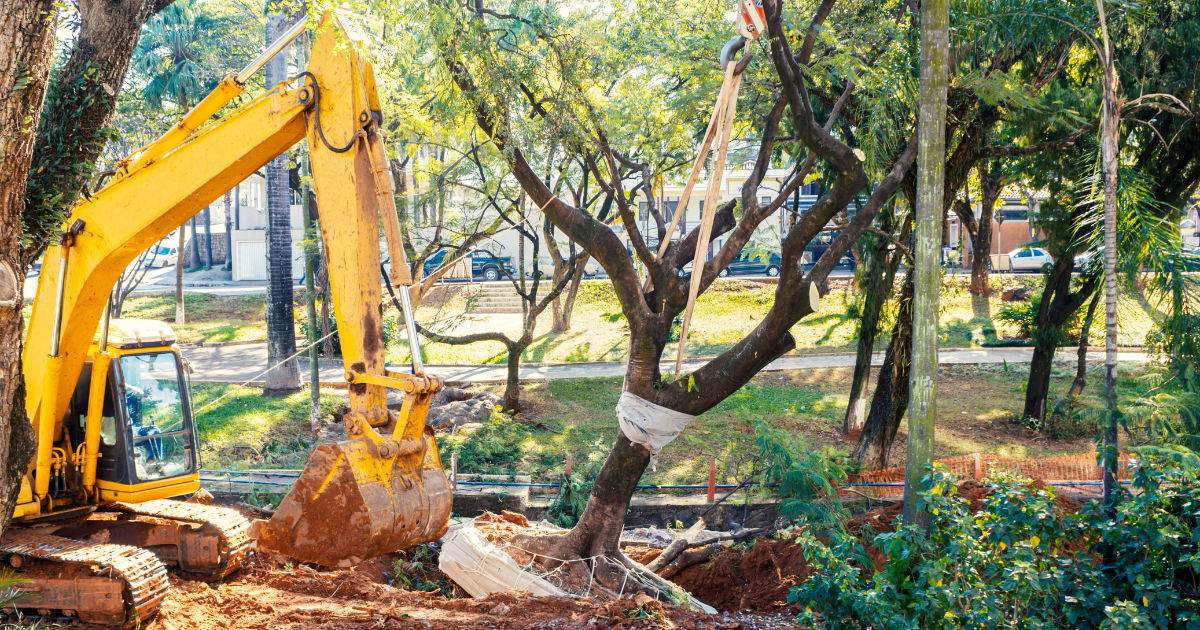
While the procedure is typically quick and efficient, the post-lopping phase requires attention and care to ensure your trees remain healthy and your property safe.
Whether you are a homeowner or property manager, understanding what happens after tree lopping Canberra can save you from potential issues and help you maximize the benefits of the service.
This comprehensive guide will walk you through everything you need to know, including tree recovery, maintenance tips, potential risks, and the environmental impact of tree lopping.
Why Tree Lopping Canberra is Important
Tree lopping is not just about cutting branches to tidy up your yard. There are several critical reasons why residents and businesses in Canberra opt for professional tree lopping services.
-
Safety Concerns
Overgrown or damaged branches can pose a significant threat to your property and family. Strong winds, heavy rain, or even minor storms can cause weakened branches to fall unexpectedly. Professional tree lopping Canberra ensures that dangerous limbs are removed safely, reducing the risk of accidents. -
Tree Health
Contrary to some misconceptions, proper tree lopping can promote the long-term health of a tree. By removing diseased, dead, or overcrowded branches, the tree can focus its energy on new growth and strengthen its structure. -
Aesthetic Appeal
Trees play a crucial role in the landscape design of your property. Regular tree lopping Canberra keeps your trees looking neat, balanced, and visually appealing. A well-maintained tree enhances curb appeal and can even increase property value. -
Preventing Property Damage
Roots, branches, and overhanging limbs can interfere with buildings, fences, and power lines. Professional tree lopping ensures that these potential hazards are mitigated before they cause serious damage.
Immediate Aftermath of Tree Lopping
Once the lopping process is complete, there are several immediate things you might notice. Understanding these will help you manage expectations and care for your property appropriately.
-
Visible Cuts and Wounds
After tree lopping Canberra, the tree will have visible cuts where branches were removed. These cuts might look rough, but they are typically treated by professionals with proper pruning techniques to minimize stress on the tree. Avoid attempting to cover or seal these cuts unless recommended by the arborist, as improper treatment can hinder the healing process. -
Debris Around Your Property
Even with professional services, some debris like leaves, small branches, or sawdust might remain. Most tree lopping companies offer cleanup services, but it’s common to notice a small amount of residual debris. This is a normal part of the process and can be cleared easily with raking or mulching. -
Temporary Tree Stress
Just like any living organism, a tree experiences stress after major pruning or lopping. This stress is often visible through drooping leaves or slower growth. Keep in mind that this is usually temporary, and proper care will help your tree recover fully. -
Change in Tree Shape
The tree’s appearance may look unusual immediately after lopping, especially if large branches were removed. While the shape might seem stark at first, trees generally adapt well over time, producing new growth to restore balance.
Tree Recovery After Lopping
Recovery is a crucial phase following tree lopping Canberra. Proper care during this period can determine whether your tree thrives or suffers long-term damage.
-
New Growth
After lopping, trees often produce new shoots and branches. This regrowth can be vigorous, especially in younger trees. Monitor this growth to ensure it does not become overcrowded or misshapen. In some cases, additional pruning may be required in the following months to maintain a balanced structure. -
Watering and Fertilization
Providing adequate water is essential for tree recovery. The removal of large branches can increase water demand as the tree focuses on healing wounds and producing new shoots. Fertilization with a balanced, slow-release fertilizer can also support healthy regrowth and strengthen the tree’s immune system. -
Pest and Disease Monitoring
Tree wounds from lopping can make the tree more susceptible to pests and diseases. Keep a close eye on your tree for signs of infestation, such as unusual leaf discoloration, holes, or sap oozing. Early detection and treatment can prevent long-term damage. -
Mulching for Protection
Applying mulch around the base of the tree can help retain soil moisture, regulate temperature, and reduce weed competition. Make sure to avoid piling mulch directly against the trunk, as this can create conditions for rot or fungal infection.
Potential Risks and Considerations
While tree lopping Canberra is generally safe when done by professionals, there are potential risks to consider after the procedure.
-
Over-Pruning
Excessive removal of branches can weaken a tree rather than help it. Over-pruning reduces the tree’s ability to photosynthesize and produce energy, leading to slower recovery or even decline. Always ensure lopping is performed according to arboricultural standards. -
Structural Weakness
Improper cuts or poor technique can result in weak branch attachments, making the tree vulnerable to future storms or heavy winds. Professional arborists are trained to minimize this risk through correct pruning methods. -
Aesthetic Issues
Sometimes the immediate appearance of a lopped tree may be unappealing, particularly if large branches are removed. Patience is key, as the tree’s natural growth will restore a more harmonious shape over time. -
Soil Compaction
Heavy machinery used during lopping can compact the soil around your tree. Compacted soil affects water infiltration and root health, which can slow recovery. Avoid heavy traffic around the base of recently lopped trees.
How Long Does Recovery Take?
The recovery period for trees after tree lopping Canberra varies depending on the species, size, and extent of the lopping.
-
Small trees may recover in a few months, with noticeable new growth within the first season.
-
Medium to large trees can take several months to a year to fully recover, especially if major limbs were removed.
-
Mature or older trees may experience slower regrowth and require additional care, including monitoring for stress or disease.
Patience is crucial. Attempting to accelerate recovery with improper methods can do more harm than good.
Post-Lopping Maintenance Tips
Proper maintenance after lopping is essential for tree health and longevity.
-
Regular Monitoring
Inspect your tree regularly for signs of stress, disease, or pest infestation. Early intervention ensures that any issues are addressed before they worsen. -
Watering Schedule
Maintain a consistent watering schedule, particularly during dry periods. Deep, infrequent watering encourages strong root development. -
Additional Pruning
Minor pruning may be necessary to guide regrowth and maintain shape. Avoid heavy pruning in the months immediately following lopping unless recommended by an arborist. -
Nutrient Support
Supplemental fertilization can promote strong growth. Use a fertilizer suitable for the specific tree species and follow application guidelines carefully. -
Protection from Physical Damage
Keep children, pets, and machinery away from the base of the tree while it recovers. Avoid piling soil or debris near the trunk.
Environmental Benefits of Tree Lopping
Many people underestimate the environmental impact of proper tree lopping. Healthy, well-maintained trees provide numerous benefits:
-
Improved Air Quality: Trees filter pollutants and produce oxygen.
-
Enhanced Wildlife Habitat: Thoughtful lopping preserves nesting sites and food sources.
-
Stormwater Management: Trees reduce soil erosion and absorb rainwater.
-
Energy Efficiency: Well-placed trees can provide shade, lowering cooling costs.
By choosing professional tree lopping Canberra services, you support environmentally responsible practices that maintain the balance between safety and ecological health.
Signs You May Need Further Intervention
Even after a professional lopping session, certain signs indicate the need for additional care:
-
Persistent Leaf Drop: Could indicate stress or disease.
-
Weak or Dead Branches: May require further pruning to prevent hazards.
-
Unusual Growth Patterns: Could signal structural issues needing expert attention.
-
Fungal Growth or Sap Leakage: Signs of infection that require prompt treatment.
Choosing the Right Tree Lopping Service
Not all tree lopping services are equal. When selecting a provider in Canberra, consider:
-
Experience and Certification: Ensure the arborists are trained and certified.
-
Safety Practices: Confirm they follow industry safety standards.
-
Insurance Coverage: Protects you against property damage or accidents.
-
Aftercare Support: Professional services often provide guidance for post-lopping care.
Conclusion
Understanding what to expect after tree lopping Canberra is crucial for maintaining tree health, safety, and aesthetics. From immediate effects like visible cuts and debris to long-term considerations like regrowth, disease monitoring, and soil care, the post-lopping phase is just as important as the procedure itself.
Professional tree lopping not only improves safety and appearance but also supports the environmental benefits of urban greenery. By following proper care guidelines, monitoring tree health, and consulting experts when needed, you can ensure your trees thrive for years to come.
Whether you have small garden trees or large urban trees, planning for recovery and maintenance after lopping will maximize the investment in your property’s safety and beauty. By taking these steps, you can enjoy a healthy, resilient, and visually appealing landscape in Canberra.