
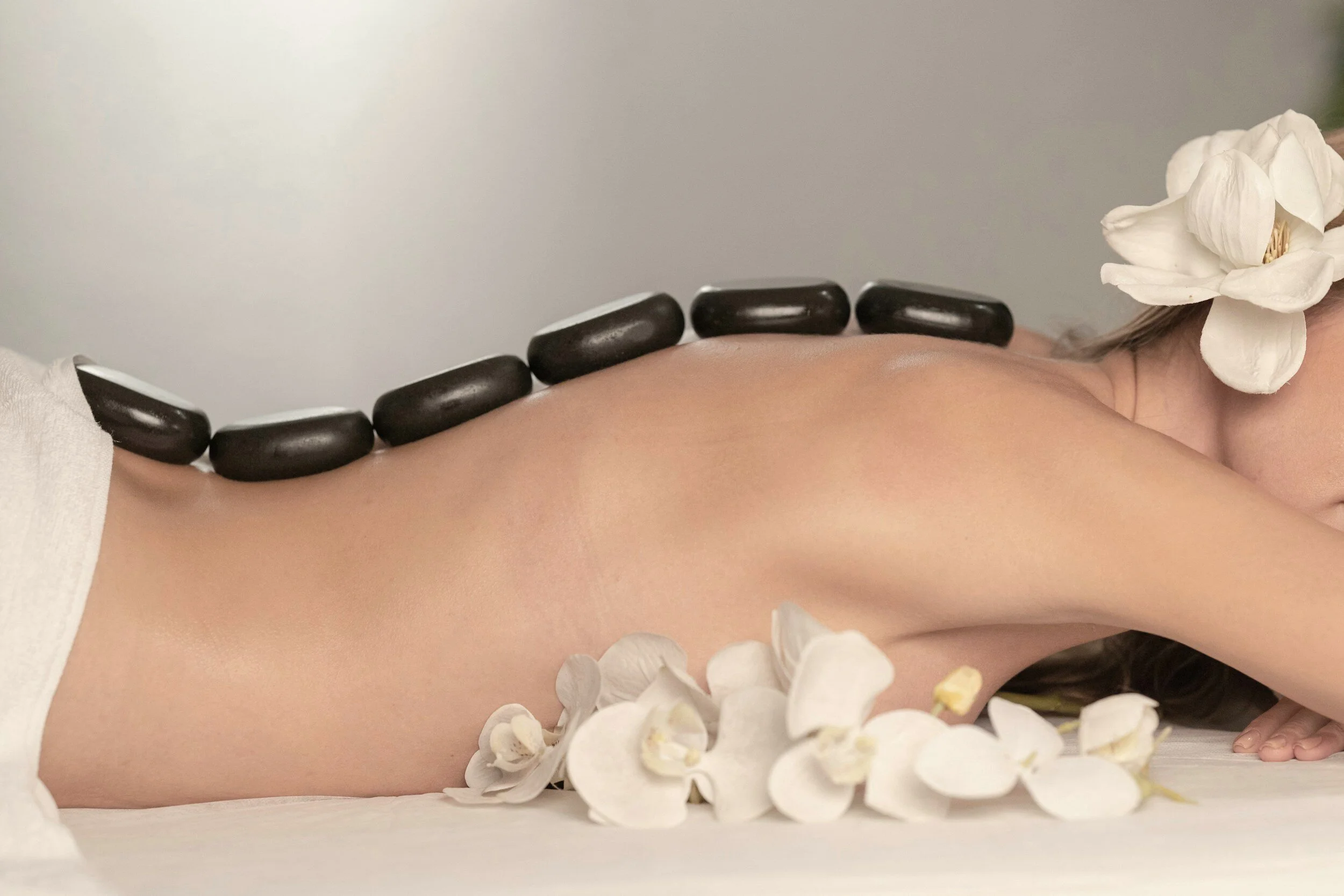
Conventional 토닥이 wisdom champions deep tissue work for break down adhesions and relieving chronic pain. However, a , testify-based view is future from consolidative neurology and tube-shaped structure research. This approach posits that the primary feather therapeutic mechanics of assuage knead defined as sustained pressure under 20 mmHg is not myofascial unfreeze but the targeted modulation of the neurovascular bundle. This substitution class transfer moves away from forceful physics manipulation and toward nice, low-intensity stimulus studied to recalibrate involuntary tense system of rules tone and optimise microcirculation, thought-provoking the”no pain, no gain” permeative in curative bodywork.
Deconstructing the Gentle Touch: Beyond Surface-Level Relaxation
The insignificant perception of mollify knead as merely relaxing belies a cascade down of physiologic events. Unlike deep squeeze, which can touch off defensive muscle guarding and systema nervosum tense system of rules activating, pacify sustained touch preferentially stimulates low-threshold C-tactile afferent steel fibers. These fibers, linked to the body structure system of rules, are responsible for processing affective, emotional touch. A 2024 meta-analysis in the Journal of Bodywork and Movement Therapies revealed that protocols using hale under 20 mmHg redoubled heart rate variance(HRV) a key mark of autonomic resiliency by an average of 31.2 more than deeper squeeze modalities in subjects with diagnosed anxiety disorders.
The Capillary Gatekeeper Hypothesis
Central to this theory is the role of the precapillary sphincter, a ring of smooth over musculus regulating rakehell flow into capillary vessel beds. Chronic try and pain syndromes cause these sphincters to remain in a submit of dysregulated vasoconstriction, starving tissues of atomic number 8 and creating a cycle of ischaemia and pain. Gentle, specifically oriented massage applies just enough physics squeeze to stir up epithelial tissue nitrogen oxide synthase(eNOS), promoting vasodilation at this microscopic raze. A 2023 study utilizing optical maser Doppler flowmetry incontestable a 40 increase in cutaneal microcirculation following a 10-minute conciliate rub down protocol, an effect that persisted for over 45 transactions post-intervention.
Quantifying the Gentle Impact: Industry Data Insights
The data now compellingly supports this nuanced set about. A 2024 surveil of 2,000 natural science therapists found that 68 have incorporated”sub-sensory threshold” techniques into their rehearse for degenerative pain patients, a 22 increase from 2020. Furthermore, node retentivity rates for clinics advertising”gentle, neuroscience-informed” bodywork are 17 higher than manufacture averages. Perhaps most singing is insurance policy take data viewing a 35 turn down rate of post-treatment unfavourable events(e.g., increased pain, bruising) for placate sense modality codes compared to deep tissue codes, straight challenging the efficacy-risk visibility of invasive manual therapy.
- Market depth psychology indicates a 150 growth in online seek volume for”gentle massage for nerve pain” over the past 18 months.
- Wearable biometric data from 500 rub down clients showed conciliate techniques produced a 50 quicker reduction in salivary cortisol than deep weave.
- Electromyography(EMG) studies gruntl stroking techniques tighten resting motor unit natural action in hypertonic muscles by an average of 28.
Case Study 1: Post-Concussion Cephalalgia
Initial Problem: A 32-year-old computer software developer, 14 months post-mild painful psyche combat injury(mTBI), conferred with furnace lining tensity-type cephalalgia and photalgia. Standard natural science therapy and medication provided tokenish, non-sustained relief. Palpation discovered extremum hypersensitivity in the occipitofrontalis muscle and a palpable, cord-like rigidity along the suboccipital trilateral, yet deep squeeze invariably triggered a intense headache sequence and involuntary dysregulation.
Specific Intervention: A neurovascular mollify communications protocol focusing on the trigeminocervical complex. The interference avoided target muscle , instead targeting the vascular and dural attachments at the occipital base and temporal role bone sutures. The practician utilised feather-light, free burning tensor techniques to the temporal facia and subtle os base decompressing holds, all maintaining coerce well below affected role sensorial threshold for pain or tensity.
Exact Methodology: Treatment consisted of twelve 30-minute sessions over six weeks. Each session began with pneumogastric steel toning via placate auricular knead. The primary feather technique encumbered many-sided, effortless support of the occiput with fingertips applying less than 5 mmHg of squeeze to the periosteal attachments, held for 8-12 proceedings. This was followed by micro-mobilizations of the trivial temporal role arterial blood vessel nerve tract using