
When it comes to celebrating a wedding, every pre-wedding event holds its special significance. One of the most important pre-wedding celebrations in South Asian culture is the Mayoun, a joyous and colorful ceremony that marks the beginning of the wedding festivities.
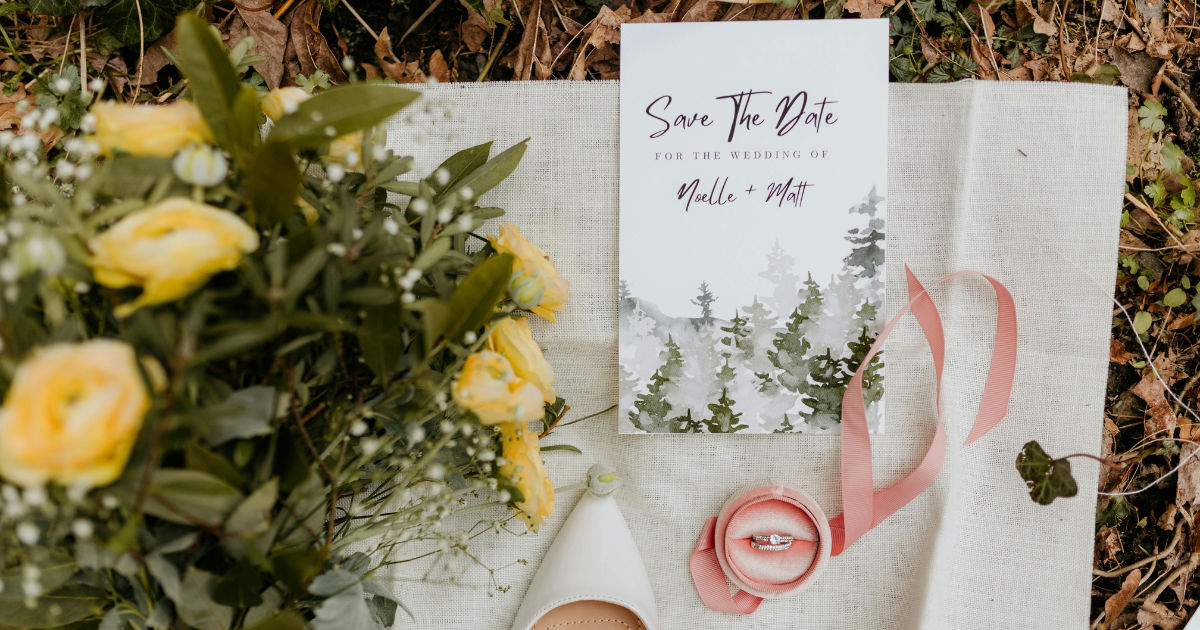
For this event, sending a shadi card is essential to inform family and close friends about the date, venue, and details of the celebration. But designing a Mayoun card for close family comes with its own nuances.
Unlike general wedding invitations, a Mayoun card for close relatives can include personal touches and details that make your family feel special and appreciated.
This guide will help you understand what to include in a Mayoun card for close family, the tone to use, and how to ensure your card reflects both tradition and warmth.
Importance of a Mayoun Card
A Mayoun card is not just an invitation; it is a symbol of love, family bonding, and tradition. Close family members often play an active role in Mayoun ceremonies, helping with decorations, food, and rituals. By sending a well-crafted Mayoun card, you communicate respect, care, and the excitement of having your family close during this important pre-wedding celebration.
Including all necessary details in your shadi card ensures there is no confusion about the timing or location of the event. Moreover, a personalized card helps your close family feel valued and strengthens the familial connection before the wedding day.
Key Elements to Include in a Mayoun Card for Close Family
When creating a Mayoun card for close relatives, there are certain elements that are essential to include. These ensure clarity while maintaining a personal touch.
1. Names of the Bride and Groom
The most important aspect of the card is the names of the bride and groom. Since close family members already know the couple, you can also include nicknames or affectionate terms that are commonly used in your family. This adds a warm and personal tone to the invitation.
2. Relationship Mention
For close family, you can explicitly mention the relationship to the bride or groom. For example, phrases like:
-
"Dear Auntie and Uncle"
-
"To Our Beloved Cousins"
This personalization makes the family feel directly addressed and cherished.
3. Date and Day
Clearly state the date and day of the Mayoun ceremony. Even for close family, including the exact date prevents confusion, especially if multiple family members are involved in different ceremonies around the wedding.
Example format:
-
“Saturday, 14th February 2026”
4. Venue Details
Provide the complete address of the venue, along with landmarks if necessary. If the Mayoun is being hosted at a family home, it is still helpful to include directions for relatives who might not visit frequently. You can also mention whether parking is available or if there are any special arrangements.
5. Time of the Ceremony
Include the starting and ending time of the event. Since Mayoun ceremonies often include rituals, games, and family bonding activities, a time schedule helps close relatives plan their day accordingly.
6. Dress Code and Theme
Many Mayoun ceremonies have a theme or a specific dress color. For example, yellow or green attire is traditional in many cultures. Mentioning this in the card ensures everyone is prepared and visually coordinated.
Example:
-
“Dress Code: Traditional Yellow Attire”
-
“Theme: Floral and Vibrant”
7. Special Instructions for Close Family
Since close relatives often have special roles in the Mayoun, it is helpful to mention these roles in the card. This can include responsibilities like:
-
Assisting with rituals
-
Helping with decorations
-
Leading family games or performances
Including this information ensures everyone knows their role and contributes to a smooth ceremony.
8. RSVP Details
Even though it is for close family, an RSVP is still useful to plan seating, food, and activities. Include a phone number or email where guests can confirm their attendance. For close relatives, you can add a personal note encouraging them to reply.
9. Personal Message
Adding a heartfelt message makes the card more intimate. It can express excitement, gratitude, or the joy of having family together. Examples include:
-
“We are excited to celebrate this special day with our closest family.”
-
“Your presence will make our Mayoun truly memorable.”
This small touch strengthens emotional bonds and makes the card feel more than just an informational document.
10. Design and Visual Elements
Close family cards can include more personal visual elements compared to general invitations. Consider adding:
-
Family photos or illustrations
-
Symbols representing your culture or traditions
-
Bright and festive colors
Visual elements not only make the card attractive but also convey the festive spirit of the Mayoun celebration.
How to Write the Wording for a Mayoun Card
The wording of a Mayoun card should reflect joy, warmth, and tradition. For close family, the tone can be slightly informal yet respectful. Here’s a suggested structure:
-
Greeting: “Dear Auntie and Uncle,” or “To Our Loving Cousins,”
-
Introduction: Mention the reason for the celebration: “We are delighted to invite you to the Mayoun ceremony of our beloved [Bride/Groom].”
-
Event Details: Include date, time, and venue.
-
Dress Code: Mention color/theme if applicable.
-
Personal Touch: Add a sentence expressing excitement: “We cannot wait to celebrate this joyous occasion with you.”
-
Closing and RSVP: Conclude with love and mention RSVP details: “With love, [Family Name]. Kindly RSVP by [date].”
Example of a Complete Mayoun Card Wording for Close Family
Dear Auntie and Uncle,
We are overjoyed to invite you to the Mayoun ceremony of our beloved daughter, Ayesha.
Date: Saturday, 14th February 2026
Venue: House of Mr. and Mrs. Khan, 123 Maple Street, Karachi
Time: 10:00 AM – 4:00 PM
Dress Code: Traditional Yellow AttireYour presence will add immense joy to our celebration, and we look forward to sharing this special day with you. Kindly RSVP by 7th February.
With love,
The Khan Family
This example is simple, warm, and covers all essential details without overwhelming the reader.
Digital vs. Printed Mayoun Cards
In modern times, many families choose digital shadi cards for convenience. However, for close relatives, a printed card is often preferred because it is tangible, can be cherished, and often becomes a keepsake.
Benefits of Printed Cards
-
Personal touch: Shows effort and thoughtfulness
-
Memorabilia: Can be kept as a memento of family celebrations
-
Easier for elders: Some elderly relatives may not be tech-savvy
Benefits of Digital Cards
-
Quick delivery: Can reach distant relatives instantly
-
Eco-friendly: No paper waste
-
Easy to track RSVPs: Digital tools can simplify responses
For close family, a combination of both is ideal—send a printed card for sentimental value and a digital copy for convenience.
Timing for Sending Mayoun Cards
Sending your Mayoun card at the right time is crucial. For close family, you should ideally send it 2 to 3 weeks before the event. This gives everyone enough time to arrange their schedules, plan travel if needed, and prepare outfits.
Avoid sending cards too early, as the excitement might fade, or too late, as it may create scheduling conflicts.
Cultural Touches to Include in Your Mayoun Card
The Mayoun is deeply rooted in tradition. Including cultural elements in your card shows respect for heritage and adds meaning. Some ideas include:
-
Traditional symbols like floral patterns, mehndi designs, or henna motifs
-
Local sayings or blessings
-
Colors that are culturally significant (yellow for happiness and prosperity)
These touches make your card stand out and remind family members of the richness of your culture.
Mistakes to Avoid in Mayoun Cards
Even for close family, certain mistakes can make your card confusing or less effective. Avoid these:
-
Missing Details: Leaving out time, date, or venue
-
Complex Language: Use simple and clear wording
-
Overcrowded Design: Avoid too many visuals that make reading difficult
-
Late Delivery: Sending cards too close to the event date
-
Incorrect Names: Double-check all spellings of family members and the couple
By avoiding these mistakes, your card will serve its purpose perfectly.
Extra Tips for Creating a Memorable Mayoun Card
-
Add a small poem or rhyme: Short, sweet verses can add charm
-
Include a photo of the couple: Helps distant relatives feel closer
-
Highlight special roles: If someone is performing a ritual, mention it
-
Use quality paper or design: Printed cards with texture or embossing feel more luxurious
-
Keep it festive: Use vibrant colors and joyful language
These small touches make your card more memorable and reflect the celebratory spirit of the Mayoun.
Conclusion
Creating a Mayoun card for close family requires a delicate balance of personal touch, clear information, and cultural respect. By including essential details such as names, date, venue, dress code, and RSVP instructions, while also adding personal messages and design elements, you can make your close family feel valued and excited about the upcoming celebration.
Remember, a Mayoun card is more than just an invitation; it is a way to express love, maintain traditions, and celebrate the joy of family. Whether you choose printed or digital formats, the key is to keep it simple, warm, and festive. Properly crafted shadi cards ensure your family can participate fully, enjoy the rituals, and create unforgettable memories together.
Sending a thoughtful Mayoun card is a small step that sets the tone for the larger wedding festivities. For close relatives, this gesture not only conveys details but also strengthens family bonds, making your pre-wedding celebrations truly special.