
Automatic glass doors have become a standard feature in modern buildings, offering convenience, accessibility, and safety. A crucial component that makes these doors efficient and reliable is the Automatic Glass Door Sensor.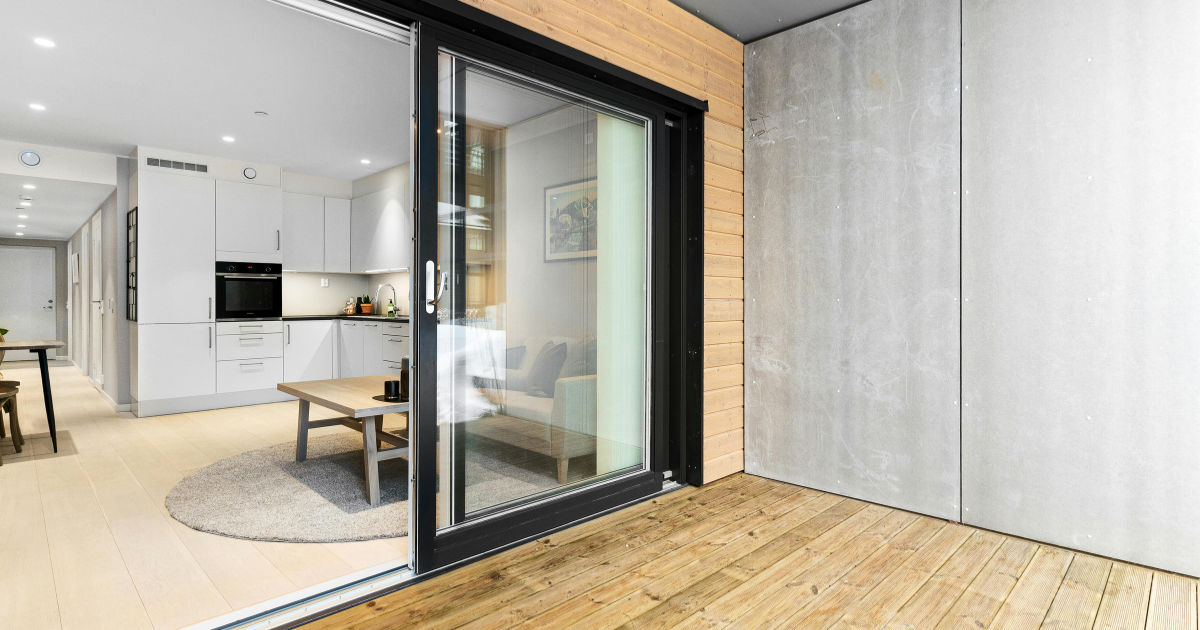
These Automatic Glass Door Sensors are designed to detect motion or presence near the door, enabling it to open and close automatically. In this article, we will explore how these sensors improve glass doors, their types, benefits, installation process, maintenance, and future advancements in sensor technology.
Introduction to Automatic Glass Door Sensors
An Automatic Glass Door Sensor is a device that detects movement or objects in the proximity of a glass door. Once the sensor identifies motion, it sends a signal to the door mechanism to open or close accordingly. This technology not only enhances convenience but also ensures safety and energy efficiency.
Automatic doors are now common in offices, malls, hospitals, and airports, largely due to the reliability provided by modern detection sensors. Without these sensors, doors would need to be operated manually, which can be inconvenient and unsafe, especially in high-traffic areas.
Types of Detection Sensors for Glass Doors
There are several types of sensors used in automatic glass doors. Each has unique features, advantages, and applications.
Infrared Sensors
Infrared sensors detect heat or movement using infrared radiation. These sensors are widely used in glass doors because they can sense people or objects even in low-light conditions. When a person approaches, the sensor detects the heat emitted from the body and triggers the door to open.
Microwave Sensors
Microwave sensors emit microwave signals and detect motion based on changes in the reflected waves. These sensors can cover a larger area than infrared sensors and are less affected by ambient temperature. However, they may sometimes react to movement outside the immediate doorway, so precise calibration is important.
Pressure-Sensitive Sensors
Pressure-sensitive sensors are installed in the floor near the door. When someone steps on the sensor pad, it triggers the door to open. These sensors are highly accurate but are less commonly used because they require floor installation.
Optical Sensors
Optical sensors use light beams to detect motion. They are commonly installed above the door and create an invisible detection zone. When a person enters this zone, the beam is interrupted, and the door opens. Optical sensors are precise and effective in crowded areas.
How Automatic Glass Door Sensors Enhance Safety
Safety is a primary reason for integrating detection sensors into glass doors.
Preventing Accidents
Automatic Glass Door Sensors prevent accidents by detecting obstacles in the door’s path. For example, if someone is standing too close to the door, the sensor ensures that the door does not close on them. This is particularly important in commercial buildings with high foot traffic.
Enhancing Accessibility
Sensors make glass doors more accessible to everyone, including people with disabilities, elderly individuals, and children. Automatic doors remove the need for physical effort, allowing smooth and safe entry or exit.
Fire and Emergency Safety
Many automatic doors integrate sensors with building safety systems. In case of a fire or emergency, sensors can trigger doors to open automatically, facilitating rapid evacuation.
Convenience and Efficiency
Detection sensors not only improve safety but also enhance convenience.
Hands-Free Operation
One of the most significant advantages of an Automatic Glass Door Sensor is hands-free operation. This is particularly useful in places like hospitals or shopping malls where people often carry items, making manual door operation inconvenient.
Energy Efficiency
Sensors prevent doors from remaining open unnecessarily, which helps maintain indoor temperature. By ensuring doors open only when needed, sensors reduce energy loss from heating or cooling systems.
Reducing Wear and Tear
Automatic operation triggered by sensors reduces the mechanical strain on door components. Doors that open and close manually can suffer from more frequent damage due to improper use. Sensors ensure controlled operation, increasing the lifespan of the door system.
Installation of Detection Sensors
Proper installation of detection sensors is crucial for optimal performance.
Placement Considerations
The sensor must be placed at the correct height and angle to detect approaching individuals effectively. For infrared and microwave sensors, placement above the door is common, while pressure-sensitive sensors are installed in the floor area.
Calibration and Testing
After installation, sensors require calibration to ensure accuracy. This involves adjusting sensitivity settings so that the sensor responds appropriately to movement without triggering false alarms. Testing the system under various conditions helps confirm reliable operation.
Integration with Door Mechanism
Detection sensors are integrated with the door’s automatic opening and closing mechanism. This integration ensures that the sensor communicates correctly with the door controller, allowing smooth operation.
Maintenance of Automatic Glass Door Sensors
Regular maintenance is essential for sensor reliability and longevity.
Cleaning Sensors
Sensors should be cleaned periodically to remove dust, dirt, and smudges that can interfere with detection. For optical and infrared sensors, even a small obstruction can reduce performance.
Checking for Malfunctions
Routine checks ensure sensors function correctly. If a sensor fails to detect motion, it may cause doors to stay closed or remain open unintentionally, compromising safety and efficiency.
Software Updates
Modern sensors often come with software that can be updated for improved performance and compatibility with door systems. Keeping firmware updated ensures optimal functionality.
Common Challenges and Solutions
While Automatic Glass Door Sensors are highly effective, some challenges can arise.
False Triggers
Sensors may sometimes react to irrelevant movements, like passing cars or swaying curtains. Adjusting the sensor’s sensitivity or using sensors with motion filtering technology can resolve this issue.
Power Failures
During power outages, automatic doors may become non-functional. Backup power solutions or manual override mechanisms ensure doors continue to operate safely.
Environmental Interference
Environmental factors such as heavy sunlight, rain, or reflective surfaces can affect sensor performance. Choosing sensors suitable for the specific environment mitigates these issues.
Advancements in Sensor Technology
Sensor technology continues to evolve, enhancing the efficiency and intelligence of automatic glass doors.
Smart Sensors
Smart sensors use artificial intelligence and machine learning to distinguish between humans, animals, and inanimate objects. This reduces false triggers and improves response accuracy.
Integrated Security Features
Modern sensors can integrate with security systems, cameras, and access control. This integration allows doors to open only for authorized individuals while monitoring traffic flow.
Energy-Saving Innovations
New sensors are being designed to optimize energy usage by adjusting door operation based on foot traffic patterns. For example, doors may close faster during low-traffic periods, conserving energy.
Benefits of Using Automatic Glass Door Sensors
Let’s summarize the key benefits of incorporating detection sensors in glass doors.
-
Safety: Prevents accidents and injuries.
-
Accessibility: Provides convenient, hands-free access.
-
Energy Efficiency: Maintains indoor climate and reduces energy loss.
-
Durability: Reduces wear and tear on doors.
-
Convenience: Smooth operation for high-traffic areas.
-
Integration: Works with security and emergency systems.
Real-World Applications
Detection sensors are widely used across different industries and settings.
Commercial Buildings
In shopping malls, office buildings, and hotels, sensors enhance convenience for visitors and improve energy efficiency.
Healthcare Facilities
Hospitals rely on automatic glass doors for hygiene, accessibility, and emergency evacuation. Sensors prevent cross-contamination by allowing hands-free entry.
Transportation Hubs
Airports, train stations, and bus terminals use automatic doors to manage large crowds efficiently. Sensors ensure doors open and close safely, even during peak hours.
Residential Buildings
Modern homes and apartments are also adopting automatic glass doors with sensors for convenience, security, and aesthetic appeal.
Conclusion
The Automatic Glass Door Sensor is a transformative technology that improves the functionality, safety, and convenience of glass doors. From infrared and microwave sensors to pressure-sensitive and optical variants, these devices make automatic doors smarter, more reliable, and energy-efficient.
By ensuring accurate detection, reducing accidents, enhancing accessibility, and conserving energy, sensors play a vital role in modern building design. With ongoing advancements in smart sensor technology, the future promises even more intelligent, adaptive, and secure automatic glass doors. For anyone looking to improve the safety, efficiency, and user experience of glass doors, investing in high-quality detection sensors is an essential step.
The integration of detection sensors into glass doors is no longer a luxury—it is a necessity for modern infrastructure. Whether in commercial, healthcare, or residential settings, these sensors provide unmatched convenience, security, and operational efficiency.
Automatic glass doors equipped with reliable sensors represent the perfect blend of technology, safety, and comfort, making them an indispensable feature of contemporary architecture.