
Silica Gel Beads are commonly found in small paper packets inside shoe boxes, medicine bottles, handbags, electronics, and food packaging.
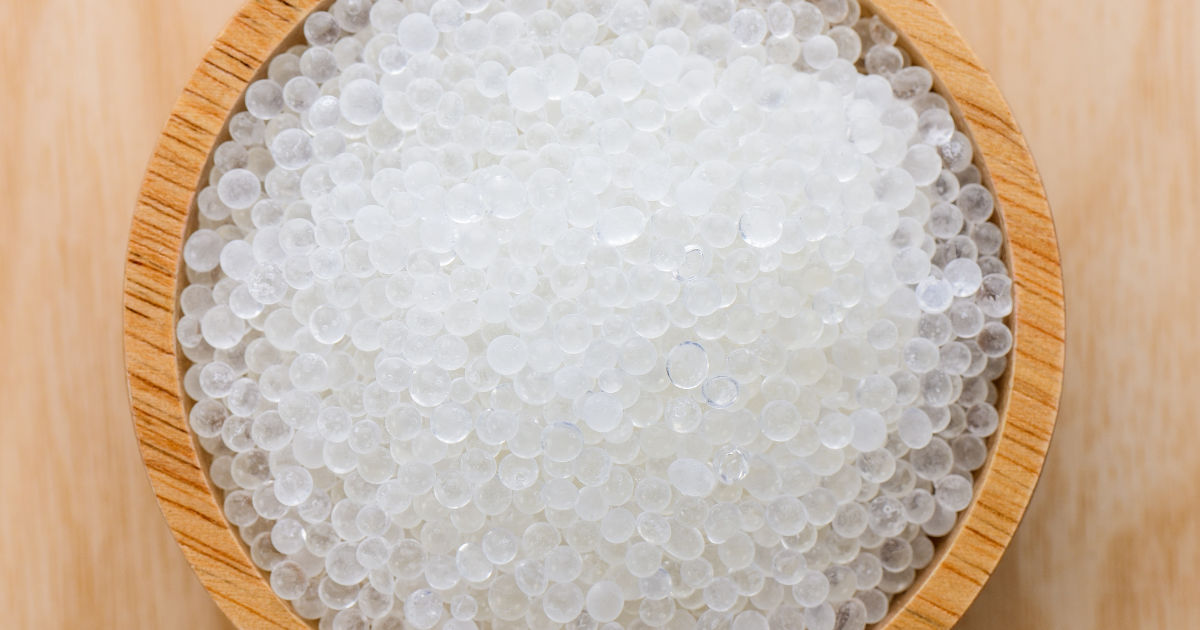
Almost everyone has seen these tiny beads at some point, often labeled with a warning like “Do Not Eat.” Because of these warnings, many people wonder whether Silica Gel Beads are dangerous to touch, harmful to health, or unsafe for children and pets. This comprehensive guide explains everything you need to know about Silica Gel Beads, including what they are, how they work, whether they are safe to handle, and what precautions you should take.
This article is written in simple language, with short paragraphs, so it is easy to read and understand for a 12th-grade audience. By the end, you will have a clear answer to whether Silica Gel Beads are safe to handle and how to use them responsibly.
What Are Silica Gel Beads?
Silica Gel Beads are small, round, solid beads made from silicon dioxide. Silicon dioxide is a natural compound found in sand, quartz, and many rocks. Through a chemical process, this material is turned into porous beads that can absorb moisture from the air.
Silica Gel Beads are not actually a “gel” in the wet or sticky sense. They are dry and hard to the touch. The word “gel” refers to the internal structure of the beads, which contains many tiny pores. These pores trap water vapor and keep surrounding items dry.
Because of this moisture-absorbing ability, Silica Gel Beads are widely used in packaging to prevent damage caused by humidity, mold, and corrosion.
Why Are Silica Gel Beads Used in Packaging?
Silica Gel Beads are used to protect products from moisture during storage and transportation. Moisture can damage many items, including shoes, clothing, electronics, medicines, and food products. Silica Gel Beads help maintain a dry environment inside sealed packaging.
You often find Silica Gel Beads in products that must remain dry to work properly or stay safe to use. Electronics can short-circuit due to moisture. Medicines can lose effectiveness. Leather goods can grow mold. Silica Gel Beads reduce these risks.
Their effectiveness, low cost, and long shelf life make Silica Gel Beads a popular choice for manufacturers worldwide.
How Do Silica Gel Beads Work?
Silica Gel Beads work through a process called adsorption. Adsorption is different from absorption. Instead of soaking up water like a sponge, Silica Gel Beads trap moisture on their surface and inside their microscopic pores.
Each bead has millions of tiny holes that attract and hold water molecules. This allows Silica Gel Beads to absorb a significant amount of moisture compared to their size. Once the pores are full, the beads can no longer absorb water unless they are dried and reused.
Some Silica Gel Beads are designed to change color when they are saturated with moisture. This color change helps users know when the beads need to be replaced or reactivated.
Are Silica Gel Beads Toxic?
One of the most common questions is whether Silica Gel Beads are toxic. The short answer is that Silica Gel Beads are generally non-toxic. The silicon dioxide used in Silica Gel Beads is chemically stable and does not react with the body in harmful ways when touched.
Most standard Silica Gel Beads are safe to handle with bare hands. Touching them does not cause poisoning, burns, or skin damage for most people. This is why they are widely used in consumer products.
However, non-toxic does not mean harmless in all situations. The main risk associated with Silica Gel Beads comes from ingestion, choking, or inhalation, especially for children and pets.
Are Silica Gel Beads Safe to Touch?
Yes, Silica Gel Beads are safe to handle under normal conditions. You can touch them without gloves, and they will not harm your skin. They are dry, odorless, and chemically inert.
For most adults, handling Silica Gel Beads poses no health risk. They do not release toxic fumes or harmful residues. Even if the beads break, the material itself is still considered low risk when touched.
That said, prolonged or repeated handling may cause dryness on the skin because Silica Gel Beads absorb moisture. People with sensitive skin may notice mild irritation or dryness after touching them frequently.
Can Silica Gel Beads Cause Skin Irritation?
Silica Gel Beads do not usually cause skin irritation. However, because they absorb moisture, they can dry out the skin if handled for long periods. This dryness may lead to mild irritation, especially for people with sensitive or already dry skin.
In rare cases, fine dust from damaged Silica Gel Beads can cause minor irritation if it comes into contact with the skin. Washing your hands after handling them is a good habit, especially if the beads are broken or dusty.
Wearing gloves is not necessary for normal handling, but it may be helpful if you have sensitive skin or are working with large amounts of Silica Gel Beads.
Are Silica Gel Beads Dangerous if Inhaled?
Silica Gel Beads are not meant to be inhaled. While they are generally safe to touch, inhaling fine particles or dust from crushed beads can irritate the nose, throat, or lungs.
This is similar to breathing in dust from sand or other fine materials. Short-term exposure is unlikely to cause serious harm, but repeated inhalation should be avoided.
To stay safe, do not crush Silica Gel Beads or create dust. If beads break, clean them up gently without sweeping aggressively, which can spread particles into the air.
What Happens If Silica Gel Beads Are Swallowed?
Silica Gel Beads are labeled “Do Not Eat” for an important reason. While they are non-toxic, swallowing them can still be dangerous, especially for children and pets.
If swallowed, Silica Gel Beads can cause choking due to their size and shape. In most cases, if an adult accidentally swallows a small bead, it will pass through the digestive system without causing harm. However, this should not be taken lightly.
In children and pets, the risk is higher. Small animals may experience intestinal blockage. If ingestion occurs, medical or veterinary advice should be sought immediately.
Are Silica Gel Beads Safe Around Children?
Silica Gel Beads should be kept away from children. Although they are non-toxic, the choking hazard makes them unsafe for young children. Children may mistake the beads for candy or toys due to their small size and sometimes colorful appearance.
Parents should always remove Silica Gel Beads from packaging before giving items to children. Store unused beads in sealed containers and out of reach.
Educational awareness is also important. Older children should be taught that Silica Gel Beads are not toys and should never be eaten.
Are Silica Gel Beads Safe for Pets?
Silica Gel Beads can be dangerous for pets if swallowed. Dogs and cats may chew on the packets or beads out of curiosity. While the material itself is non-toxic, the risk of choking or intestinal blockage is real.
Pets that ingest Silica Gel Beads may show symptoms such as vomiting, loss of appetite, or abdominal discomfort. Immediate veterinary attention is recommended if ingestion is suspected.
To protect pets, always dispose of Silica Gel Beads properly and keep them out of reach.
Do Silica Gel Beads Contain Harmful Chemicals?
Most Silica Gel Beads are made from pure silicon dioxide and do not contain harmful chemicals. However, some beads include indicator chemicals that change color when moisture is absorbed.
One common indicator is cobalt chloride, which turns from blue to pink when wet. Cobalt chloride is considered toxic if ingested and may cause skin irritation with prolonged exposure. Many manufacturers are now switching to safer alternatives.
If you are handling color-changing Silica Gel Beads, it is wise to avoid prolonged contact and wash your hands afterward.
Can Silica Gel Beads Be Reused?
Silica Gel Beads can often be reused. When they become saturated with moisture, they can be dried and reactivated. This is usually done by heating them in an oven at a low temperature.
Reusing Silica Gel Beads is safe as long as you follow proper instructions. Make sure the beads are clean and free from contamination before reuse. Do not overheat them, as extreme temperatures can damage their structure.
Reusable Silica Gel Beads are popular for use in storage containers, closets, camera bags, and toolboxes.
Safe Ways to Handle Silica Gel Beads at Home
Handling Silica Gel Beads safely is simple. Always keep them in their original packets or sealed containers. Avoid tearing open packets unless necessary.
If you do open a packet, pour the beads carefully to avoid spills. Do not crush them or allow them to create dust. Wash your hands after handling, especially before eating.
Store Silica Gel Beads away from food, children, and pets. Label containers clearly to prevent confusion.
Common Myths About Silica Gel Beads
Many myths exist about Silica Gel Beads. One common myth is that they are highly toxic. In reality, most Silica Gel Beads are non-toxic and safe to touch.
Another myth is that they are edible but dangerous only in large amounts. This is incorrect. Silica Gel Beads should never be eaten, regardless of quantity.
Some people believe Silica Gel Beads dissolve inside the body. They do not dissolve easily and can cause physical blockage if swallowed.
Understanding the facts helps reduce unnecessary fear while encouraging proper safety.
Environmental Impact of Silica Gel Beads
Silica Gel Beads are generally considered environmentally safe. Silicon dioxide is a naturally occurring substance. However, Silica Gel Beads do not biodegrade quickly.
Proper disposal is important. Do not flush Silica Gel Beads down the toilet or pour them into drains. They should be disposed of in regular household waste unless local recycling options are available.
Reusing Silica Gel Beads reduces waste and is a more environmentally friendly option.
How to Dispose of Silica Gel Beads Safely
To dispose of Silica Gel Beads safely, seal them in a bag before placing them in the trash. This prevents accidental exposure to children or pets.
If the beads contain indicator chemicals, follow any disposal instructions provided by the manufacturer. In some cases, special disposal methods may be recommended.
Never burn Silica Gel Beads, as heating them improperly can release fumes.
When Should You Avoid Handling Silica Gel Beads?
You should avoid handling Silica Gel Beads if they are damaged, crushed, or producing dust. In such cases, use gloves and avoid inhaling particles.
If you have a known sensitivity or allergy to dust or chemicals, limit direct contact. Always wash your hands after handling.
Avoid using Silica Gel Beads in areas where food is prepared or consumed unless they are properly sealed.
Practical Uses of Silica Gel Beads at Home
Silica Gel Beads can be safely used in many household applications. They help keep closets dry, prevent mold in storage boxes, and protect electronics from humidity.
Photographers often use Silica Gel Beads to protect cameras and lenses. Toolboxes, safes, and document storage areas also benefit from moisture control.
As long as they are handled responsibly, Silica Gel Beads are a useful and safe product.
Final Thoughts on Safety and Responsibility
Silica Gel Beads are a common and effective solution for moisture control. When handled correctly, they pose very little risk to adults. Understanding their properties and limitations is key to using them safely.
Respecting warning labels, keeping them away from children and pets, and avoiding ingestion or inhalation ensures safe use. Awareness, not fear, is the best approach.
Conclusion
Silica Gel Beads are generally safe to handle and pose minimal risk when used properly. Made from silicon dioxide, they are non-toxic, dry, and chemically stable. Touching Silica Gel Beads does not usually cause harm, although prolonged contact may dry the skin. The main dangers associated with Silica Gel Beads involve choking, ingestion, and inhalation of dust, particularly for children and pets.
By storing Silica Gel Beads responsibly, avoiding direct exposure to broken beads, and keeping them out of reach of vulnerable individuals, you can safely benefit from their moisture-absorbing properties. Silica Gel Beads play an important role in protecting everyday products from damage, and with basic precautions, they can be used confidently and safely in both homes and workplaces.