
The eames office chair is more than just a stylish piece of furniture. It is a statement of design, ergonomics, and comfort. While its sleek look attracts attention, the real secret to its comfort lies in the seat padding.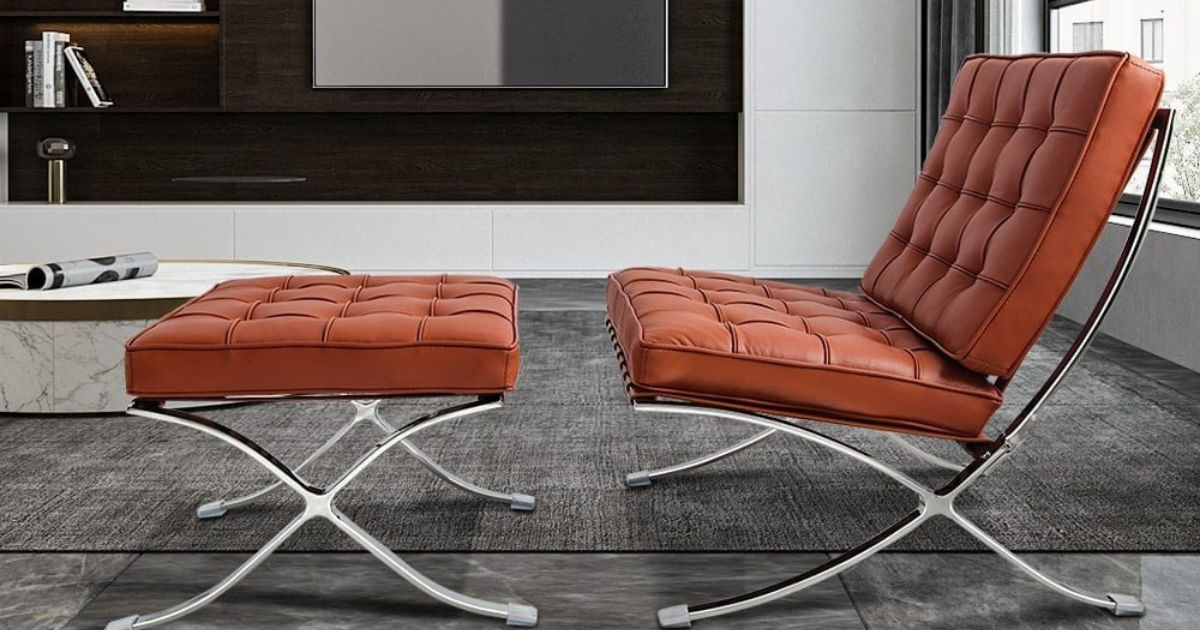
Understanding how seat padding affects your eames office chair comfort can help you make better choices for your work environment, whether at home or in a professional office.
Many people focus on the aesthetics of the eames office chair, often overlooking the impact of seat padding on long-term comfort. However, the material, thickness, and density of the padding directly influence how long you can sit without discomfort, fatigue, or pain.
In this guide, we will explore all aspects of seat padding and how it shapes the comfort level of your eames office chair.
The Importance of Seat Padding in an Eames Office Chair
Seat padding is the layer of material that sits between your body and the chair’s frame. For the eames office chair, padding is typically made from foam, leather, or a combination of materials. The right padding ensures that weight is evenly distributed, reducing pressure on sensitive areas like the lower back, hips, and thighs.
An improperly padded eames office chair can lead to discomfort within minutes of sitting. You may notice pressure points forming, circulation issues, or even back pain. On the other hand, high-quality padding molds to your body, providing a balanced, supportive, and comfortable experience throughout the day.
Types of Seat Padding Used in Eames Office Chairs
Understanding the types of seat padding is crucial for choosing an eames office chair that matches your comfort needs. The primary padding types include:
High-Density Foam
High-density foam is commonly used in eames office chairs for its ability to maintain shape and provide firm support. It prevents sagging over time and offers consistent comfort. This type of padding is excellent for long working hours because it evenly distributes weight and minimizes pressure points.
Memory Foam
Memory foam padding adapts to the contours of your body, providing a custom seating experience. Many modern eames office chairs feature memory foam because it reduces stress on the spine and encourages proper posture. Memory foam is particularly useful for people who sit for extended periods, as it relieves pressure on the hips and tailbone.
Gel-Infused Padding
Gel-infused padding combines foam with a layer of gel to improve comfort and temperature regulation. In eames office chairs, gel padding prevents overheating during long sessions and adds extra cushioning. It also absorbs shock effectively, making it suitable for people with back or joint problems.
Leather and Upholstery Layers
While not padding themselves, leather and other upholstery layers impact the feel of the seat. Soft leather over firm foam can create a luxurious experience, whereas firmer fabrics may feel supportive but less cushioned. Choosing the right combination affects the overall comfort of your eames office chair.
How Seat Padding Influences Posture and Ergonomics
The padding in an eames office chair does more than make sitting pleasant—it affects posture and spinal alignment. Proper seat padding encourages the natural curve of your spine, supporting your lumbar region. Without adequate padding, your body may slouch or shift uncomfortably, leading to back pain and fatigue.
A well-padded seat keeps your hips aligned with your knees, distributing weight evenly. This alignment reduces strain on muscles and joints, making your eames office chair an ergonomic powerhouse. Ergonomics and comfort go hand in hand, and seat padding is at the center of this balance.
Thickness of Seat Padding and Comfort Levels
Not all padding is created equal. The thickness of the seat padding plays a crucial role in determining comfort. Thicker padding may feel plush and soft initially, but if it is too soft, it may not provide the necessary support for prolonged sitting. Conversely, thin padding can feel firm but may become uncomfortable over time.
For an eames office chair, a medium-thick padding—usually between two to four inches—offers an ideal combination of comfort and support. It cushions your body while maintaining structural support, allowing you to sit for hours without discomfort.
Seat Padding Density and Its Impact
Density refers to the compactness of the foam or material used in the seat padding. Higher-density padding retains its shape longer and offers consistent support. Lower-density padding might feel soft at first but can quickly compress under your weight, leading to uneven seating and discomfort.
When selecting an eames office chair, it’s essential to consider the density of the seat padding. High-density foam ensures that your chair remains comfortable even after years of daily use. It prevents the “bottoming out” effect, where the padding compresses completely and your body starts resting on the chair frame.
Material Quality and Longevity
The quality of the seat padding material directly affects the durability and comfort of your eames office chair. Premium foam or memory foam with proper resilience lasts longer and maintains its comfort over time. Low-quality padding can deteriorate quickly, causing sagging, uneven surfaces, and discomfort.
High-quality padding is often paired with durable upholstery, such as top-grain leather or premium fabric, to maximize longevity. Investing in an eames office chair with superior padding materials ensures that comfort and aesthetics remain intact for years.
Seat Contouring and Pressure Relief
Many eames office chairs feature contoured seat designs, where padding is shaped to follow the natural curve of your body. Contoured padding provides pressure relief by supporting high-stress areas such as the hips, thighs, and lower back.
This contouring works in conjunction with padding density to create an ergonomic seating experience. For instance, firmer padding in the edges of the seat prevents sliding, while softer padding in the center relieves pressure points. This balance is essential for prolonged comfort.
The Role of Padding in Reducing Fatigue
Extended sitting can lead to fatigue, muscle stiffness, and poor circulation. Proper seat padding in an eames office chair can significantly reduce these effects. By evenly distributing weight and supporting critical body areas, padding prevents the onset of discomfort that can distract you from work.
Even minor improvements in padding quality can make a noticeable difference. A chair that feels slightly firmer or more cushioned may allow you to sit longer without needing breaks, improving productivity and overall well-being.
Customization Options for Seat Padding
Some eames office chairs offer customizable seat padding options. Users can choose between varying thicknesses, densities, and materials to suit their body type and personal comfort preferences.
Customization allows you to address specific issues such as back pain or circulation problems. For example, someone with lower back pain might choose a firmer, supportive padding, while another user might prefer softer, plush cushioning for general comfort.
How Seat Padding Affects Heat and Breathability
Seat padding can influence temperature regulation. Dense foam or thick padding may trap heat, making the seat uncomfortable in warmer environments. On the other hand, gel-infused padding or ventilated designs improve breathability, keeping you cool throughout the day.
For an eames office chair, breathability is particularly important because the chair is often used for extended periods. High-quality padding ensures you stay comfortable without sweating or feeling overheated.
Signs That Your Seat Padding Needs Replacement
Even the best padding wears out over time. Common signs that your eames office chair padding needs attention include:
-
Sagging or uneven surfaces
-
Reduced cushioning and comfort
-
Persistent back, hip, or thigh discomfort
-
Noise or creaking due to compression
Replacing the padding or the seat cushion can restore comfort and prolong the life of your eames office chair.
Maintenance Tips for Seat Padding
Maintaining your seat padding can extend its lifespan and comfort. Some key tips include:
-
Regular cleaning of upholstery to prevent dirt and debris buildup
-
Avoiding prolonged exposure to direct sunlight, which can degrade foam and fabric
-
Rotating or flipping removable cushions if possible
-
Using protective covers to reduce wear and tear
Proper maintenance ensures that your eames office chair remains a comfortable and stylish addition to your workspace.
Comparing Eames Office Chair Padding to Other Chairs
When compared to standard office chairs, the eames office chair often excels due to its high-quality padding and ergonomic design. Many generic office chairs use low-density foam that compresses quickly, leading to discomfort and posture issues.
Eames office chairs balance design, functionality, and comfort. The combination of high-density or memory foam padding with contoured seats ensures that you get a superior seating experience. The attention to padding details sets the eames office chair apart in both aesthetics and usability.
Practical Advice for Choosing the Right Padding
When selecting an eames office chair, consider your personal needs:
-
Determine the duration you will sit daily. Longer sessions require firmer, high-density padding.
-
Consider your body type. Heavier individuals may need thicker, more supportive foam.
-
Identify any existing health issues, such as back pain, and choose padding that alleviates pressure points.
-
Test the chair in person if possible, paying attention to how the padding feels after 10–15 minutes of sitting.
These considerations ensure that your eames office chair delivers maximum comfort and support.
Common Myths About Seat Padding
There are several misconceptions about seat padding in eames office chairs:
-
Myth 1: Softer padding is always more comfortable. Reality: Too soft padding can fail to support your body, leading to discomfort.
-
Myth 2: Thick padding equals better comfort. Reality: Thickness must be balanced with density and support to prevent sinking.
-
Myth 3: All eames office chairs feel the same. Reality: Different models use varying padding types and densities, affecting comfort.
Understanding these myths helps you make informed choices when buying or maintaining an eames office chair.
Long-Term Benefits of Quality Seat Padding
Investing in a chair with high-quality seat padding provides long-term benefits:
-
Reduced back and hip pain
-
Improved posture
-
Greater productivity due to less fatigue
-
Extended lifespan of the chair
Quality padding not only enhances comfort but also protects your health and well-being over years of use.
Conclusion
Seat padding plays a critical role in the comfort and ergonomics of your eames office chair. From material selection and density to thickness and contouring, every factor contributes to how you experience the chair daily.
High-density and memory foam provide firm support and adaptability, while gel-infused padding enhances temperature control and cushioning. Properly maintained and thoughtfully chosen padding improves posture, reduces fatigue, and ensures long-term satisfaction.
When purchasing or evaluating an eames office chair, do not underestimate the importance of seat padding. A well-padded chair is not just a luxury—it is an essential component of comfort, health, and productivity.
Investing in the right padding makes a world of difference, transforming your eames office chair into an ergonomic haven that supports your body and keeps you comfortable throughout your workday.
By understanding, maintaining, and choosing the correct padding, you ensure that your eames office chair remains both stylish and exceptionally comfortable for years to come.