
Understanding the difference between female and male cuts is essential for anyone who wants to choose clothing that fits well, looks right, and feels comfortable. Whether you love fashion or simply want to make smarter choices when buying female cloths, knowing how cuts differ between genders can completely change the way you shop.
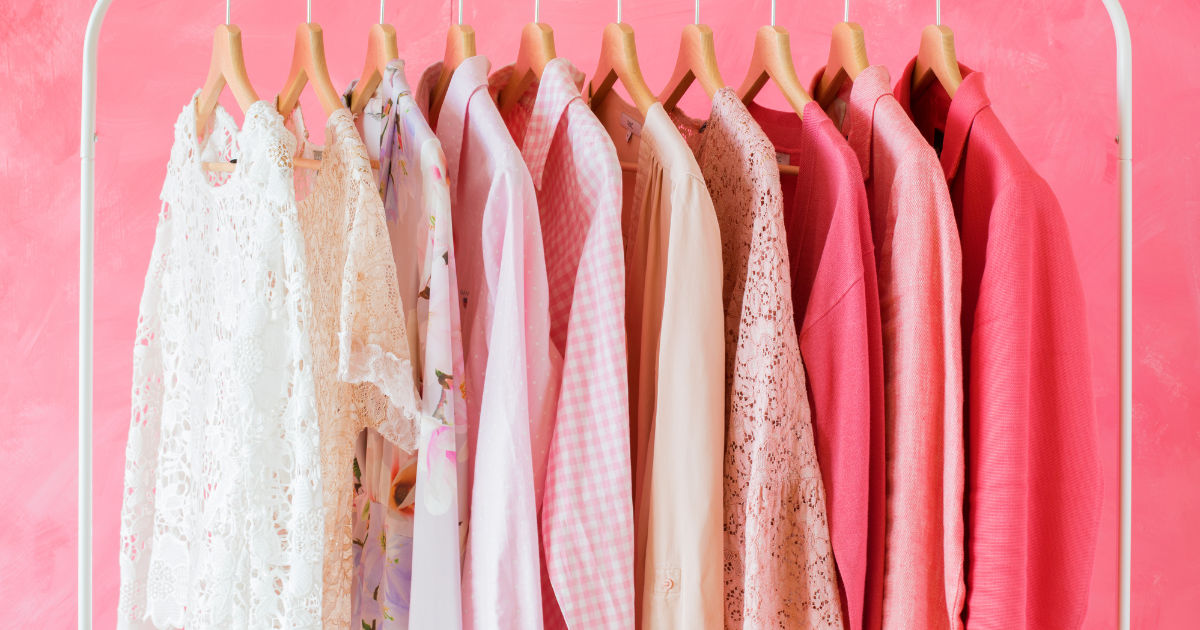
Many people struggle with sizing, fit, and style because they don’t realize how strongly gender-based cuts influence shape and comfort.
This guide breaks everything down in a simple, practical way so you can confidently recognize and choose the right cuts—especially when exploring different categories of female cloths.
Why Clothing Cuts Matter
Clothing cuts define the shape, feel, and overall presentation of any outfit. They determine how fabric falls, how it hugs the body, and how comfortable you feel wearing it. When it comes to female cloths, cuts are even more significant because they must accommodate different body proportions, curves, and posture needs. Male clothing, on the other hand, follows a different set of structures based on broader shoulders, straighter bodies, and different movement patterns.
Understanding these distinctions helps you:
-
Shop with confidence
-
Identify the right designs for your body shape
-
Avoid awkward fits
-
Appreciate how much tailoring goes into creating female cloths
The Core Differences Between Female and Male Body Shapes
Before diving into garment construction, it’s essential to understand the key differences in body shapes that influence the design of female cloths versus male clothing.
Shoulders and Chest Structure
Women typically have narrower shoulders and a fuller chest, which means cuts for female cloths include shaping that allows tops, dresses, and outerwear to accommodate natural curves without appearing boxy. Male cuts generally have wider shoulder measurements and a more rectangular chest shape, resulting in straighter tailoring.
Waist Definition
Most women have more defined waists. This impacts how tops, bottoms, dresses, and coats are shaped. Female cloths often include tapered waists, slimming panels, darts, and curved seams. Male garments usually maintain a straighter line from chest to waist.
Hip and Thigh Differences
Women typically have wider hips, fuller thighs, and more pronounced curves. This is why female cloths often have more flare, stretch, and contouring in skirts, pants, and jeans. Men’s pants, however, are built with a straighter, looser cut that doesn’t emphasize curves.
Torso Length
Women tend to have shorter torsos and longer legs compared to men. This affects the length and rise of tops, jackets, and pants in female cloths, ensuring proper visual proportion.
Key Elements of Female Cuts
Below are the essential features that define the design and construction of female cloths. Each section covers a specific detail that helps female garments achieve comfort, style, and natural fit.
Curved Seams
Female cloths often include curved seams, which follow the body’s natural contours. These seams help create shape around the bust, waist, and hips. They also provide a graceful silhouette without creating tightness in unwanted areas.
Bust Darts and Princess Seams
To support the bust area, female cloths frequently include darts—small folds sewn into the fabric to shape it over rounder curves. Princess seams extend from the shoulder or armhole and create vertical shaping that enhances fit and style.
Tapered Waistlines
Many female cloths include a tapered waist, which brings fabric inward to highlight body shape. This is especially common in dresses, blouses, and fitted jackets. Even casual tops often feature gentle waist shaping.
Hip Allowance
Female pants and skirts have extra space around the hips to support movement and allow the fabric to sit comfortably. This is one of the main cut differences that makes female cloths different from men’s bottoms.
Shorter Shoulder Width
As women generally have narrower shoulders, female cloths usually feature smaller shoulder widths, which improve posture, appearance, and comfort. Jackets and shirts designed for men tend to feel oversized in the shoulders when worn by women.
Shorter Rise in Pants
Women’s pants often have shorter rises because female bodies usually have a shorter torso. This improves proportion and makes the pants sit correctly at the waist. In many female cloths, especially high-waisted options, rise length is carefully calibrated.
More Variation in Silhouettes
Female cloths offer far more silhouettes than male garments. You'll find fits like A-line, mermaid, bodycon, balloon, peplum, and many more. Each silhouette supports a different body shape or fashion preference.
Key Elements of Male Cuts
Now let’s examine the standard features found in male clothing, allowing you to compare them more easily to the structure of female cloths.
Straight Lines and Minimal Curvature
Male clothing typically revolves around straight lines and simplified cuts. There are fewer darts, no bust shaping, and minimal curve at the waist or hips. The focus is on shoulder width and torso length.
Broader Shoulder Framework
Men often have more upper-body mass, so shirts, jackets, and coats prioritize shoulder width and chest room. This is why male outerwear can look too large in the upper frame when compared directly with female cloths.
Longer Torso Length
Men's tops are designed longer, especially formal shirts. This prevents them from coming untucked and supports the natural torso proportion of male bodies.
Lower Rise in Many Pants
Men’s pants often feature a longer rise, contributing to their straighter leg shape. When compared to the rise in female cloths, men’s pants sit slightly differently on the waist and hips.
Consistency Across Styles
Male clothing tends to have fewer variations in silhouette. Most styles revolve around straight, slim, regular, or relaxed fits. This is a less diverse structure than the wide range of cuts found in female cloths.
Comparing Cuts: Category-by-Category Guide
To understand the practical differences between female and male cuts, it helps to examine individual clothing categories.
Tops: Female vs. Male Cuts
T-Shirts
In female cloths, T-shirts often have shorter sleeves, narrower shoulders, and curved side seams. They may also include fitted waists and slightly deeper necklines. Men’s T-shirts are boxier with straight seams and broader sleeves.
Blouses
Female blouses frequently feature darts for bust shaping, tapered waists, and delicate detailing. They are designed for softness and contour. Male shirts do not include shaping at the chest, and their cuts commonly emphasize width and straight structure.
Hoodies & Sweatshirts
While unisex options exist, hoodies in female cloths are usually slightly shorter, more fitted at the waist, and narrower in the shoulders.
Bottoms: Female vs. Male Cuts
Jeans
Female cloths typically include multiple fits—skinny, slim, flare, boyfriend, bootcut, mom-fit, etc. They cater to hip width, thigh fit, and waist curves. Male jeans focus on straight cuts, relaxed fits, and leg consistency.
Pants and Trousers
Women’s trousers often include darts at the waist, curved seams, and higher rises. Men’s trousers emphasize clean lines, belt placement, and comfort around the hips without shaping.
Shorts
Female shorts often come with contoured waists and more variation in length and silhouette. Male shorts focus on straight cuts and uniformity.
Dresses and Skirts vs. Male Garments
This is where female cloths differ most significantly. Dresses and skirts rely heavily on silhouette choices, shaping, waist placement, and fabric draping. These garments are designed around hip curves, bust structure, and waist definition. There is no equivalent in male clothing, where layering pieces like shirts and jackets follow straighter frameworks.
Jackets and Coats: Female vs. Male Cuts
Female Outerwear
Female jackets usually include:
-
Narrower shoulders
-
Defined waists
-
More curved side seams
-
Bust accommodation
These features help female cloths maintain shape even with thicker fabrics.
Male Outerwear
Men’s jackets emphasize shoulder structure, chest expansion, and straight lines. They often appear boxy when compared to female versions.
Fabric Choices and Gendered Cuts
Stretch vs. Stiffness
Female cloths often include fabrics with more elasticity. This allows garments to contour the body naturally. Men’s clothing frequently uses sturdier, stiffer fabrics to maintain straight structures.
Lighter vs. Heavier Weight
Women’s garments often use lighter materials to create drape and movement. Heavier fabrics found in men’s clothing contribute to rigid, straight silhouettes.
Pattern Mounting
The placement of prints also differs. Patterns on female cloths may follow curves or highlight waistlines. Male patterns usually follow straight, symmetrical placements.
Functional Differences: Not Just Style
Pocket Size
One of the most debated differences is pocket size. Female cloths generally include smaller or decorative pockets. Male clothing uses deeper pockets for utility.
Button Placement
Buttons on women’s clothing traditionally appear on the opposite side from men’s clothing, a historical practice that still influences designs today.
Mobility and Movement Needs
Athletic wear differs even further. Women’s designs in sportswear consider bust support, knee alignment, hip rotation, and waist motion. Male sportswear focuses on broader movement and structural support without shaping.
Why Unisex Clothing Still Won’t Replace Gendered Cuts
Unisex clothing aims for universal comfort, but it usually leans toward male proportions. The cuts are often straighter, looser, and boxier. While unisex options may work well for some, they rarely provide the shaping found in female cloths, especially for those who prefer a silhouette that follows the body’s natural curves.
How to Choose the Right Cut for Yourself
Know Your Body Shape
Understanding whether you have a straight, hourglass, pear, or apple shape helps you pick the right type of female cloths.
Identify Your Wardrobe Needs
Different activities require different cuts:
-
Office wear
-
Casual wear
-
Formal events
-
Daily comfort
Each category benefits from different structures.
Always Check Fabric Composition
Even the perfect cut can feel wrong if the fabric lacks stretch or breathability. Look for materials that complement the design of female cloths.
Try Multiple Silhouettes
You might assume a straight-cut jean works best, but a bootcut or high-rise design in female cloths could suit your shape better.
Modern Trends in Female and Male Cuts
More Inclusive Sizing
Fashion brands now consider more diverse body types, bringing new versions of female cloths that work for plus-size, petite, and tall consumers.
Hybrid Cuts
Some designers blend traditionally male structures with softer shaping found in female cloths, offering bold and modern silhouettes.
Comfort-Focused Cuts
Stretch fabrics, relaxed fits, and adjustable waistbands are becoming more popular in female cloths as comfort becomes a priority.
Conclusion
The difference between female and male cuts goes far beyond simple style preferences. It is deeply connected to the natural differences in body structure, comfort needs, daily movement, and traditional design principles. Female cloths are designed to follow curves, highlight the waist, provide comfort around the hips, and offer a wide range of silhouettes that give wearers expressive freedom. Male cuts, on the other hand, emphasize straight lines, shoulder width, and functional looseness, creating a uniform and structured appearance.
Understanding these differences helps you choose garments that fit better, look better, and feel naturally comfortable. It also allows you to appreciate the sophisticated craftsmanship behind female cloths, from shaping seams to fabric choices. Whether you prefer structured outfits or flowing silhouettes, knowing how cuts work empowers you to make smarter fashion decisions.
In a world where style evolves constantly, the foundations of garment cuts remain essential. No matter what trends rise or fall, the relationship between body shape and clothing structure will always define how clothing is designed. With this guide, you now have a clearer understanding of why female cloths differ from male clothing and how these differences help create beauty, comfort, and personal confidence in everyday wear.